This approval, as far as environmental protection is concerned, opens the way for the construction of the LNG terminal and related infrastructure and the operations of the facility in the southern part of the port, Klaipėdos Nafta (Klaipėda Oil), the developer of the LNG project, said in a press release. However, Klaipėdos Nafta will still have to carry out other – territorial planning – procedures.
“A decision on the construction of the LNG terminal and the possibilities of its operations marks the end of the concept phase of the project. The EIA report has been approved by all authorities that took part in the EIA process. It shows trust in this project and proves that it is necessary for Lithuania to ensure energy independence,” the press release quoted Rolandas Žukas, director for LNG terminal at Klaipėdos Nafta, the state-owned petroleum product terminal operator.
The approval of the EIA report would open the way for the company to launch other procedures, Indrė Milinienė, Klaipėdos Nafta spokeswoman, told BNS.
“This decision on the construction of the LNG terminal and the possibilities of its operations means that we can move to another stage, which is territorial planning procedures, involving the development of special plans for the gas pipeline and the gas metering station. These plans should be worked out in the third quarter of 2013,” she said.
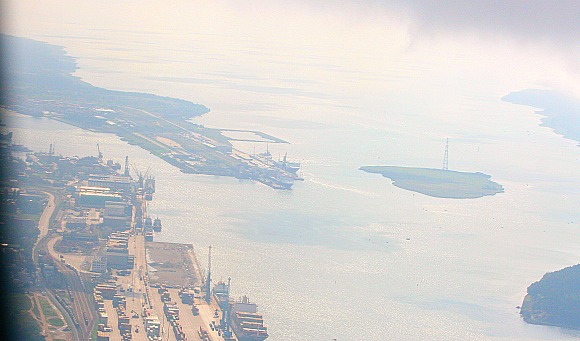
The EIA, carried out by Sweco Lietuva, identified a site in the southern part of the port, at the so-called Kiaulės Nugara (Pig's Back) island, as the most suitable location for the LNG terminal.
Lithuania expects to build the 600-million-litas (EUR 173.9m) terminal in Klaipėda by the end of 2014 to obtain an alternative to Gazprom's gas supplies and bring down prices for natural gas, which is widely used for heating in the country.


