The analysis has not been launched yet, but experts believe that Lithuania will have to use electricity exports from Scandinavia, enhance the use of biofuel, and develop wind energy, the Verslo Žinios business daily reports on Friday.
“A scenario without Visaginas Nuclear Power Plant (VNPP) has not been studied that much. Such a perspective shall be immediately studied thoroughly and the scope of the analysis shall include all three Baltic countries, the countries’ plans and possibilities as well as alternative scenarios. The best scenario shall be found ...,” Vaclovas Miškinis, head of the Laboratory of Energy Systems Research at the Lithuanian Energy Institute, told the daily.
If Visaginas NPP is not built, its place in the region will be taken by Estonia’s shale gas and natural gas either bought from Russia or imported through Klaipėda LNG terminal, by at least 2020, according to him.
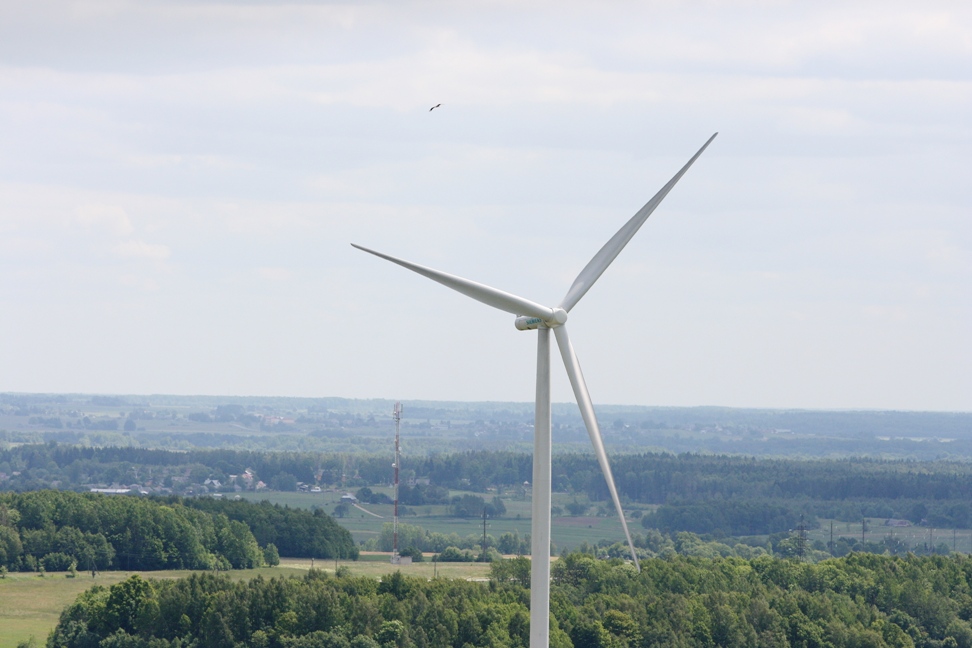
“Most probably, it would be the development of renewables, mostly the biofuel segment. The power plants in the largest cities could shift from gas to biofuel and more biofuel-fired power plants should be built in smaller towns. The development of wind energy could be continued but its instability will continue to be a challenge... Electricity import possibilities will increase from 2016 after the launch of the power link with Sweden. A new electricity link between Estonia and Finland will also have positive effects,” Miškinis said.
Vidmantas Jankauskas, energy expert for the European Commission and the World Bank, believes that if the projects of building electricity links with Scandinavia are successful, Lithuania will be able to become part of the Scandinavian energy system and make use of its favorable hydro energy prices. Occasionally, it could buy electricity from Russia, provided that prices are acceptable.


