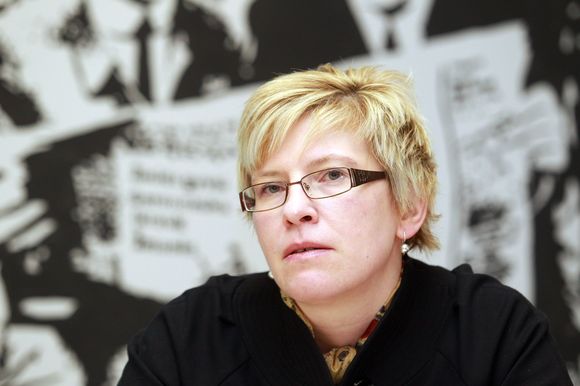
The authorities would seek to reduce the country’s public deficit to approximately 2 percent of gross domestic product (GDP) next year, which would improve the confidence of financial markets in the country’s fiscal policy and its consistent drive for balancing its finances, the portal quoted Finance Minister Ingrida Šimonytė as saying.
“The opposite strategy might drive up the borrowing costs, which is very important since the borrowing needs next year will be much affected by the redemption of the 1 billion euros bond issued in 2003–2004,” she said.
“In the years of deficit, the budget expenditures cannot increase by more than a half of an average increase in revenues in the last five years. Hence, the growth in expenditures will have to be capped in any case. This specific ceiling is 1.9 percent, or the maximum increase of 350 million litas compared with this year,” Šimonytė said.
Debt servicing costs will increase by 200 million litas next year, to around 2.4 billion litas.
The costs of Lithuania’s EU presidency will total 214 million litas, according to preliminary estimates. This amount will be spent in 2012-2014 but the bulk of this money will be used next year.
The budget for 2013 will have to be endorsed by the next parliament which will be elected on 14 October.


