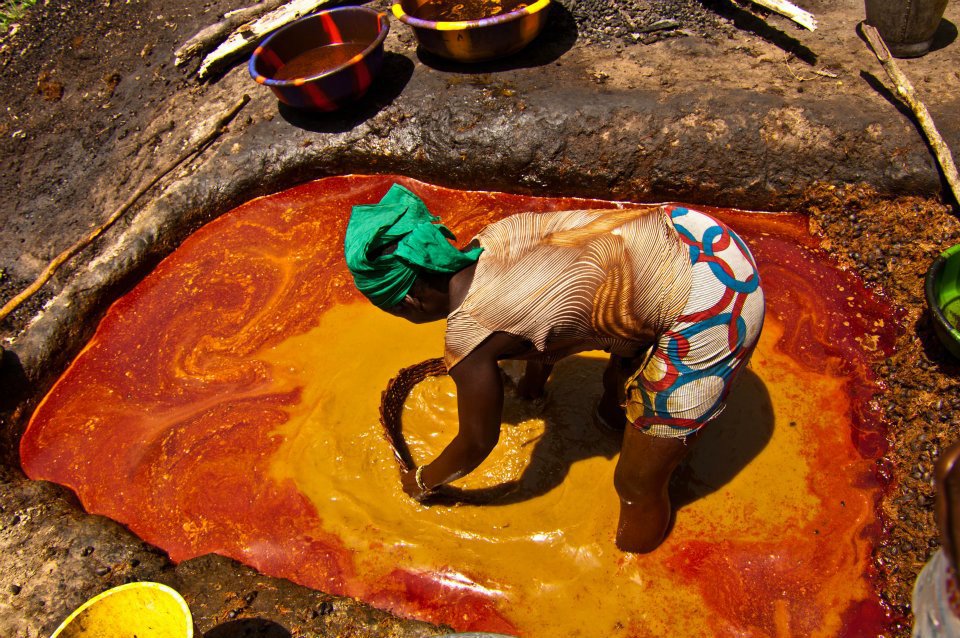
The declaration was signed by 14 Lithuanian organisations, which unites over 1,000 members consisting of non-governmental environmental conservation movements, volunteers, renewable energy and industry companies, farmers and agricultural companies.
“Having raised ambitious climate-change combatting goals, Lithuania can no longer tolerate or even encourage the use of non-sustainable resources. Attributing palm oil and its products to biofuels is unjustifiable due to the vast cutting down of tropical rain forests, the destruction of animal and plant species, and creation of slave-like conditions for locals. We stand for biofuel production based on the principles of the circular economy, using local renewable resources and thus encouraging sustainable business and agriculture in Lithuania,” the declaration states.
Rainforests are rapidly being destroyed in Indonesia and Malaysia, where 85 per cent of all palm oil is produced. In Indonesia alone, by 2025 six million hectares of rainforest, an area almost four times larger than Lithuania, will be destroyed and filled with oil palms.
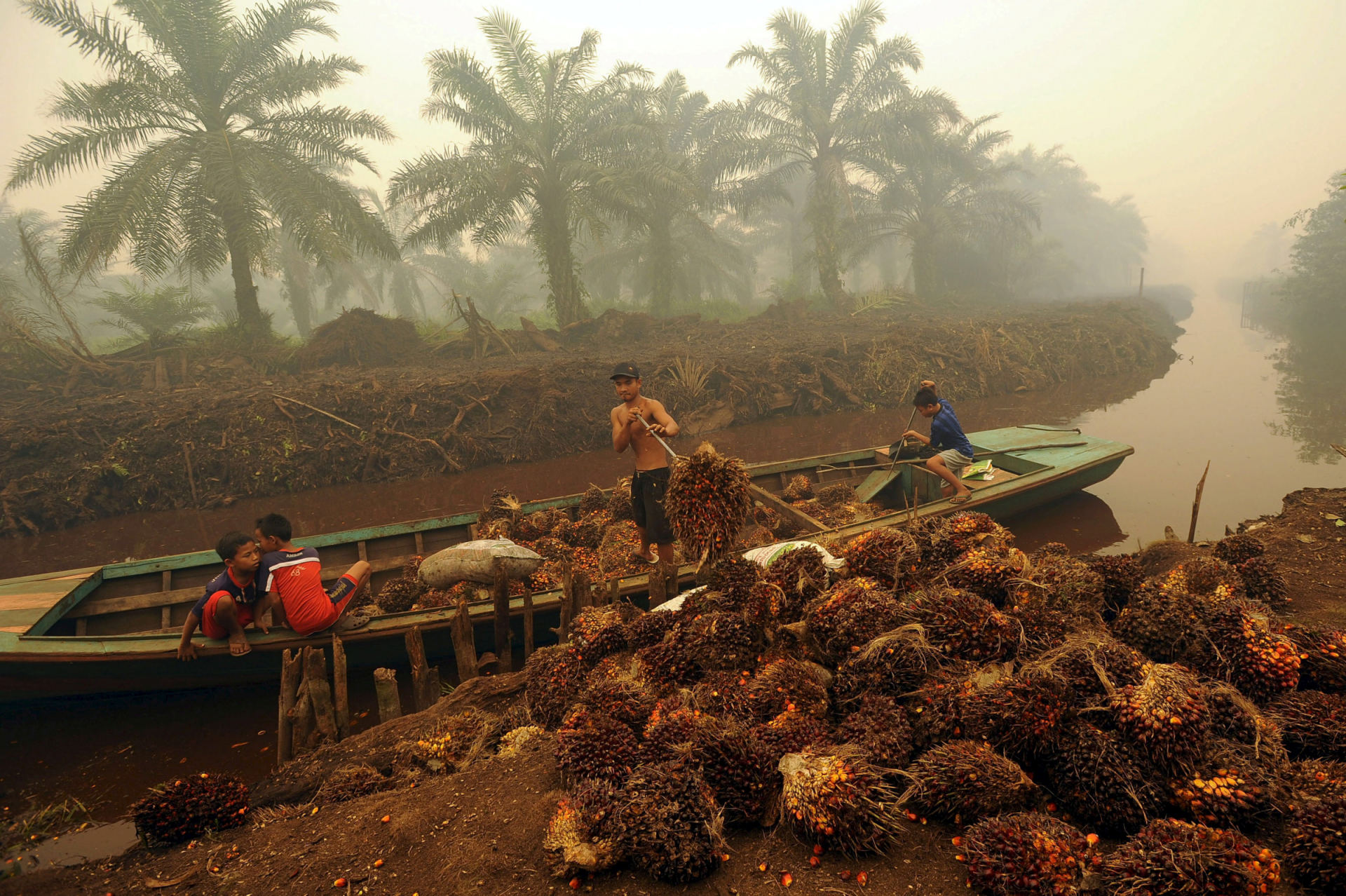
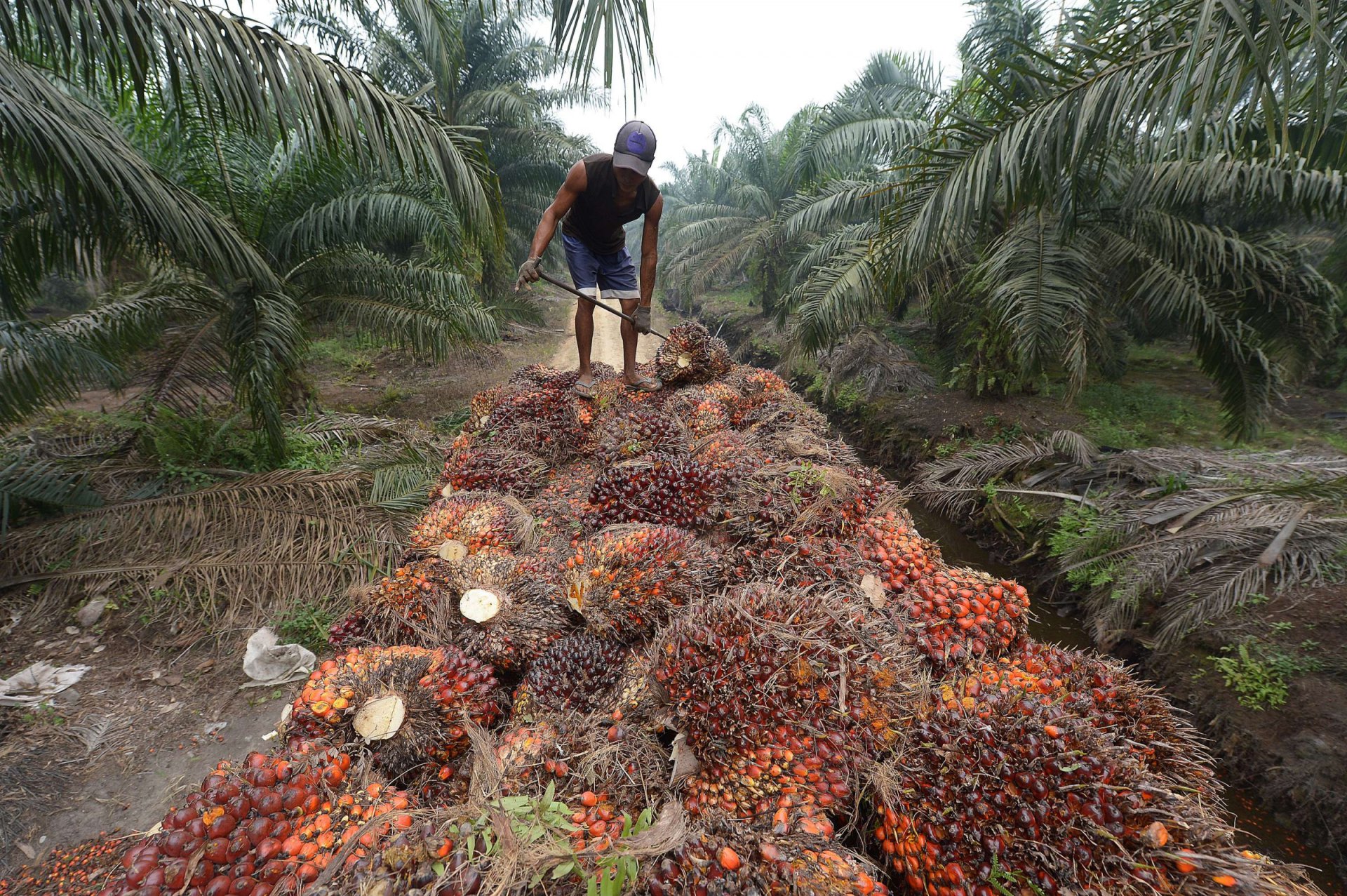
According to data from Transport & Environment, an entire 53 per cent of palm oil imported into the EU is used to produce biodiesel. The declaration states that instead of increasing energy supplies by using local renewable resources, by using palm oil in fuels we become dependent on imported materials, which cause significant harm to the environment and the climate.
Fuel produced from palm oil releases more greenhouse gasses than other biofuels, or even mineral fuels. While formally, all oil materials used for biofuel production are certified, the certification of palm oils does not ensure sustainability, and is impossible to control for adherence to sustainability requirements.
The European Commission has approved regulations that from 2030 it will no longer use palm oil in biofuels. However, the Indonesian rainforests could vanish altogether over the coming decade. Norway, France, the UK, Sweden, Holland and increasingly many more European countries are implementing stringent restrictions on the use of palm oil in biofuels. The declaration notes that it is necessary to follow the example of such advanced European nations.
The declaration’s signatory organisations are prepared to participate in the process of deliberations on the legislative project, offering their own proposals and recommendations, and encouraging constructive public discussions. Other Lithuanian business and non-governmental organisations are invited to join this initiative.
The declaration was signed by the environmental conservation organisation Žiedinė Ekonomika, the International Birutė Galdikas Environmental Protection Charity and Support Fund, the Lithuanian Renewable Resource Energy Confederation, the Biofuel Association, the Lithuanian Biogas Association, the Lithuanian Grain Processors’ Association, the Lithuanian Grain Growers’ Association, the Lithuanian Infertile Land Users’ Association, the Lithuanian Farmer’s Union, the Lithuanian Agricultural Company Association, and the Lithuanian Agricultural Cooperative Association. Support for the declaration was expressed by the Environmental Conservation Coalition, the environmental conservation movement Fridays For Future, and the Green Policy Institute.


