"The transport sector in all three Baltic countries and companies operating in it are the most influenced by prices of energy resources. This is because energy is the largest cost contributor in the transport sector, while its profit indicators are the lowest," Rokas Kasperavičius, a KPMG partner, said in a press release.
In 2010, the Baltic countries spent 13 percent of their combined GDP on fuel purchases, up from 9.1 percent in 2000.
"This is significantly more than other EU countries are spending on fuel imports. As fossil fuel prices continue to rise, the Baltic countries will be spending increasingly more on energy resources by 2020, which will, over time, reduce the efficiency of their economies and pose a serious threat to their long-term development," he said.
According to the study, Lithuania is the most reliant on energy imports, while Estonia has the lowest energy deficit as it develops renewable energy and oil shale-based power generation, while exporting excess energy to other Baltic countries and the Nordpool trade areas. Latvia is the Baltic leader in terms of the total energy use by the economy.
2012-05-16 11:12
Latvia most vulnerable to energy price hikes among Baltic states
The Latvian economy is the most vulnerable to energy price hikes among the Baltic countries, while the Estonian economy is the least vulnerable, according to a study by the business consulting and auditing firm KPMG Baltics.
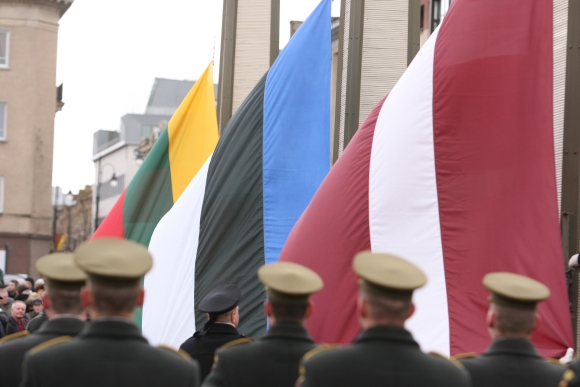
. / Andriaus Ufarto/BFL nuotr.
Report mistake
Successfully sent
Thank you


