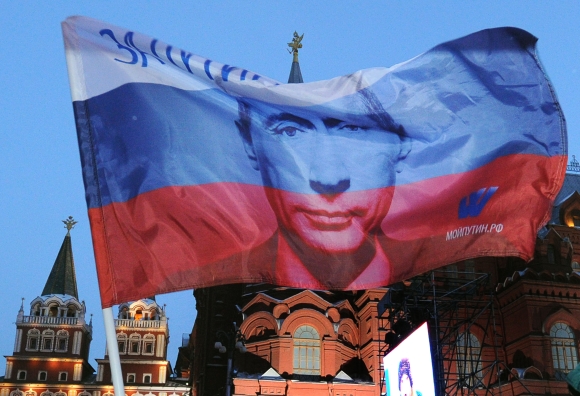
Lithuanian companies that have business relations with Russia are waiting for that country's World Trade Organization (WTO) accession, rather than for Vladimir Putin's return to the Kremlin, it wrote.
"Putin's victory will be good for those who have already invested in Russia. Our group is building pig complexes there, and local authorities are likely to continue supporting this business," Saulius Leonavičius, the CEO of the Danish-owned pig-breeding company Saerimner, told the paper.
"However, the complexes in Lithuania will continue to have difficulties, because the neighbors will try to keep import restrictions on various excuses as they prepare to protect their market after the reduction in custom duties in the wake of the WTO accession," he said.
Leonavičius thinks that what is now important for Lithuanian businesses is that Lithuanian politicians do not strain the relationship with Russia and expects that the WTO accession will help facilitate these relations. At least, there will be an organization to complain to, he said.
"I do not think that there will be any changes for our carriers in Russia after the presidential elections," said Mečislovas Atroškevičius, chairman of the Cargo Transport Council at the national road carriers' association Linava and the director of the transport company Mecys.
Gintaras Bertašius, CEO of Vilkyškių Pieninė (Vilkyškiai Dairy), thinks that things will not get easier, because Putin's attitude toward the Baltic countries is well-known to be less than favorable. "But I hope that the political winds will not affect the food industry. Food production in the country (Russia) is not sufficient and it will need to import food products," he said.


