However, the new high-speed railway Rail Baltica will soon provide a convenient opportunity to visit the Baltic states and to cover a large part of the route around the Baltic Sea much faster.
An attractive route for tourists
Millions of Europeans spend their summer holidays travelling by train. This is convenient because no driving is involved, no going through tedious check-in procedures at airports and you can turn your holiday into an endless adventure. Just imagine after having walked in the mountains, spending the night in a comfortable sleeper car, then going swimming in the morning a few hundred kilometres away. And in addition, visiting an impressive medieval town located hundreds of kilometres away - all just in a few days.
Before long train travellers will be able to add another attractive destination to include in their list of TOP routes - three countries next to the Baltic Sea: Lithuania, Latvia and Estonia.
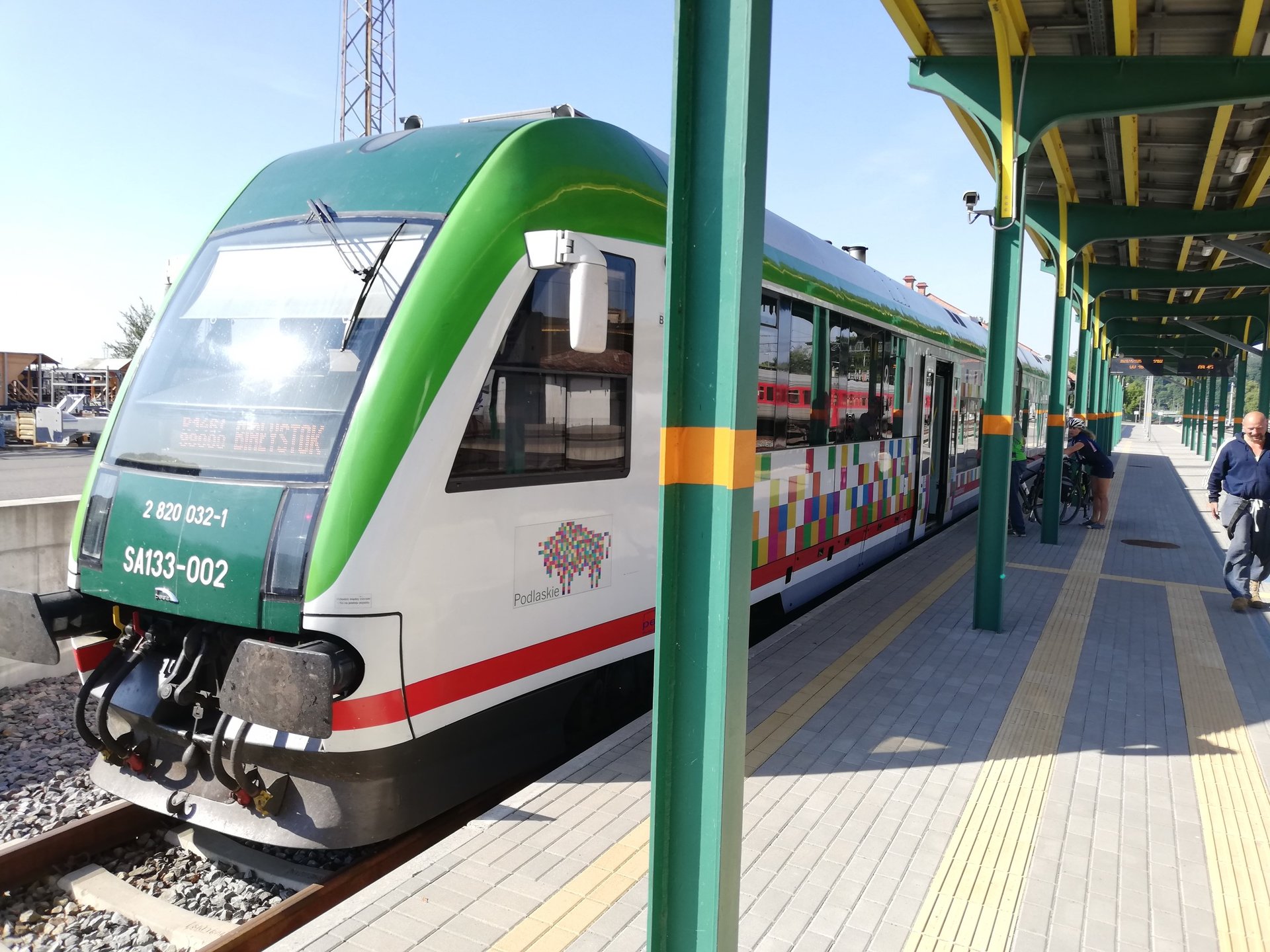
Since 2016 it’s been possible to reach Kaunas (the second-largest city in Lithuania) from Warsaw by passenger train. However, that said, this trip is not the most convenient - you will have to change trains in Bialystok and the journey from this Polish city will take about five hours.
But from 2026 the journey from Warsaw to Kaunas will take just over three hours following the construction of the high-speed train railway Rail Baltica. It will be possible to travel from Kaunas to the Lithuanian capital Vilnius in just over half an hour or travel from Kaunas further around the Baltic countries, as the track will run through the Latvian capital Riga to the Estonian capital Tallinn. After exploring this unique city of medieval architecture, the journey can be continued by ferry to the Finnish capital Helsinki and further on through the Scandinavian countries.
"Comfortable passenger trains will run from Warsaw to Tallinn several times per day and will cover more than 1000 kilometres in about seven hours. However, we suspect that the journey will take much longer as travellers will almost certainly want to stop in each of the Baltic States. Even though they are neighbours the Baltic states are all very different and have unique attractions for both the history-loving and the active tourist alike," says General Director of LTG Link, Mr Linas Baužys.
New opportunities for business
Although travellers will still have to wait sometime for fast and convenient train travel through the Baltic states, business is already using this rail line more extensively.

During this spring, the first freight train with 22 road semi-trailers from the German city of Kaldenkirchen travelled to the Lithuanian-Polish border and after a while returned with 23 semi-trailers. It was a pilot trip between Kaunas Intermodal Terminal (KIT) and Western European regular rail semi-trailer routes which will start in the future. The test journey was initiated by the Lithuanian rail freight company LTG Cargo, one of the largest rail freight companies in Poland PKP Cargo and the German intermodal transport operator CargoBeamer.
"Currently we see that the demand for semi-trailer transportation is several times greater than the KIT capacity. For some time a number of Lithuanian companies have adopted intermodal methods for transporting semi-trailers: they reach Germany from Klaipeda seaport by ferry and then travel onwards by train - even to Spain. If it is possible to load semi-trailers from train platforms in Lithuania, they will be more than happy to use this service. And we must be ready for that," says Arūnas Urbonas, Head of the Terminal Management Centre of the Infrastructure Services Department of LTG Infra.
Freight via rail semi-trailers is expected to account for a significant and increasing share of total freight traffic in the future. Adhering to EU transport policy, freight transport should be organised in such a way that transport by road should not exceed 300 km distances and then rail or sea transport should be used for destinations further away. This is not only for environmental reasons but also to reduce motorway congestion. Hauliers will not only save fuel but will also make more efficient use of drivers who are only needed to transport the goods "the last mile" - to the final destination and the rail.
"Foreign companies are already actively inquiring about the possibilities of loading KIT semi-trailers and transporting them by regular train to and from Western Europe. We are in constant contact with German, Austrian, Italian, French terminals and logistics companies so we have no doubt that this method of cargo transportation has great potential," - says A. Urbonas.
Important for NATO infrastructure
After the completion of all Rail Baltica construction work the Kaunas rail junction will be one of the most modern of its type, through which the majority of all trains running on the Rail Baltica line will pass. Freight routes between Scandinavia, Turkey, China and Western Europe will connect here.
Rail Baltica is the largest infrastructure project in the Baltic region in this century. The modern high-speed Rail Baltica connection will provide a convenient, safe and environmentally friendly alternative for passenger transport and the line will connect Tallinn, Pärnu, Riga, Panevėžys, Kaunas, Vilnius and Warsaw. Modern and up-to-date electric trains will be deployed when the construction of Rail Baltica is completed.

Rail Baltica is essential not only for the Baltic states but for the European Union as a whole not only as a passenger and freight mainline, but also as a guarantor of NATO security - as large military units can be transported quickly from Western Europe to the Baltic states.


