The 12-month inflation rate last month reached 3.3 percent and the average annual inflation rate was 3.5 percent.
Statistics Lithuania had forecast that the country would record a negative 0.1 percent EU-harmonized monthly inflation rate for August, that the annual inflation rate would be 3.2 percent and that the average annual inflation rate would be 3.5 percent.
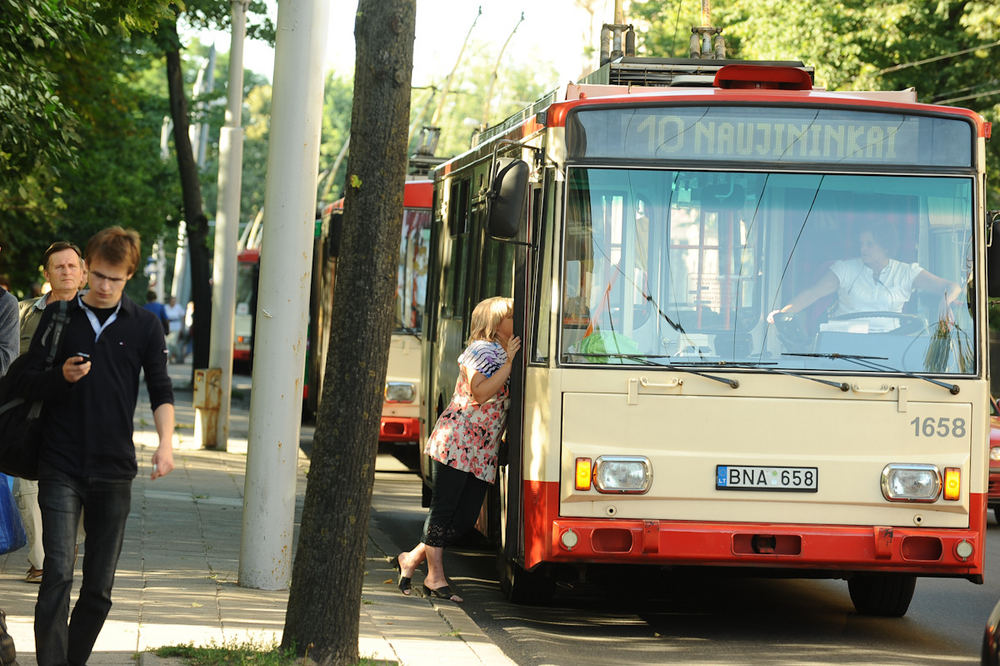
Lithuania's consumer price index rose in September from August due to increased oil and gas prices, as well as a rise in clothing prices due to the launch of new autumn collections and a hike in public transport fares in Vilnius, Swedbank's chief economist said on Monday.
The 0.2-percent monthly inflation rate in August, when consumer prices in Lithuania usually edge lower, was somewhat unexpected and was caused by certain unusual factors, such as an increase in public transport costs, which could have been avoided, Nerijus Mačiulis of Swedbank told BNS.
"The result is somewhat unexpected. A 0.2 percent increase in prices is not that big and radical, but compared with what we saw last year, it shows that something unusual happened. Increased fuel prices are a source of more than two-thirds of inflation," he said.
The economist forecasts that inflation will not accelerate, but will stay at the same monthly level of 0.2 percent in the coming months.
The rise in consumer prices will make it even more difficult for Lithuania to reach the Maastricht inflation criterion, which is expected to be around 3 percent at the end of the year, he said.
The 12-month inflation rate last month reached 3.3 percent and the average annual inflation rate was 3.5 percent.
Statistics Lithuania had forecast that the country would record a negative 0.1 percent EU-harmonized monthly inflation rate for August.


